
I always had a long-running suspicion that I didn’t have the same mental software as everyone else. And it seemed that when certain traits were being handed out, I clearly didn’t hear my ticket being called. You know, the nice traits like being organised, or even-tempered, or able to focus on one thing at a time. Instead, from the outset I was labelled a bossypants (notice how boys are never called bossy), and told to put in more effort, even though I was trying my hardest. I was often called precocious, if people were feeling generous. Mostly, though, I was an insufferable little nerd who butted into adult conversations, because impulse control is for other people.
At no point did I ever fit in, even when I desperately tried to. Like every kid that was ever bullied, I just wanted to be normal. I didn’t want my parents to be disappointed in my average marks when every report said “you can clearly do better than this”. (To give them credit, they let me drop math, and encouraged me to study writing and books, knowing that was my great passion. Love them endlessly for that, and many other things.)

I hated being clumsy, and being picked stone cold last for every sport, and every game. (Clumsiness and abysmal handwriting are two of the markers for ADHD). PE classes were my most hated subject for 12 long years of formal schooling. I came to loathe sport, group activities, and any subject that wasn’t English or history. I ran slowly, couldn’t catch a ball, and swam like a brick. I wrote myself off entirely as a physical being, and embraced being a bookworm. If they were going to call me a dork, I might as well lean in to it.
Remember: in the 90s, and into the early Noughties, girls didn’t have ADHD – it was something that only loud, disruptive, difficult little boys had. Because it presents differently in girls and because girls can essentially mask the symptoms to fit in, or at least minimize themselves, I was just written off as weird, unevenly intelligent (but stupid because I was utterly abysmal with numbers and spatial reasoning) and too much of a know-it-all with not much respect for unearned authority. (Also, I just would not shut up. About anything.) My saving grace was that I was dedicated to school life, and was helpful and reliable, which goes a long way in pacifying teachers. But despite the recurring problems in every report, at no point did anyone think or suggest having me tested for anything.
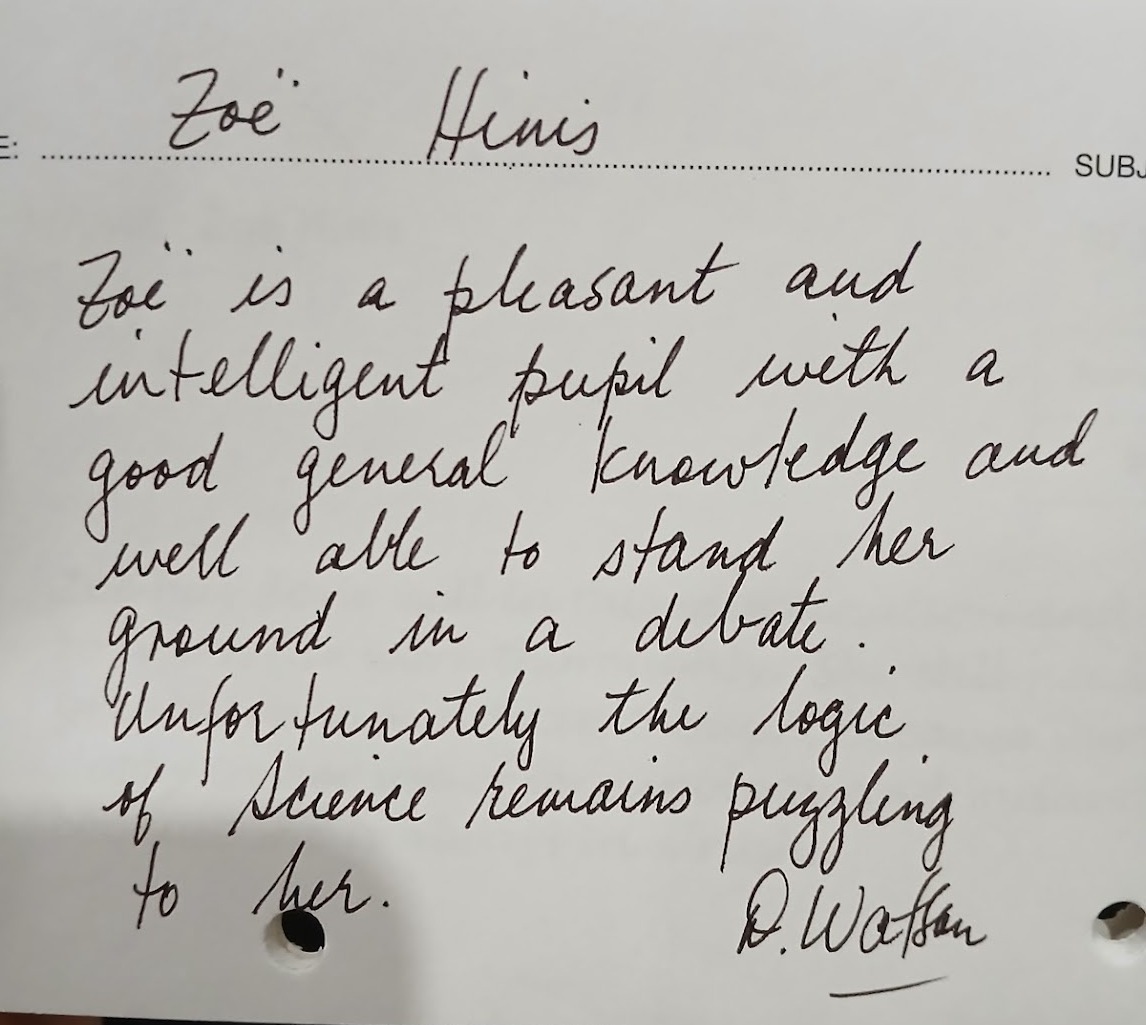
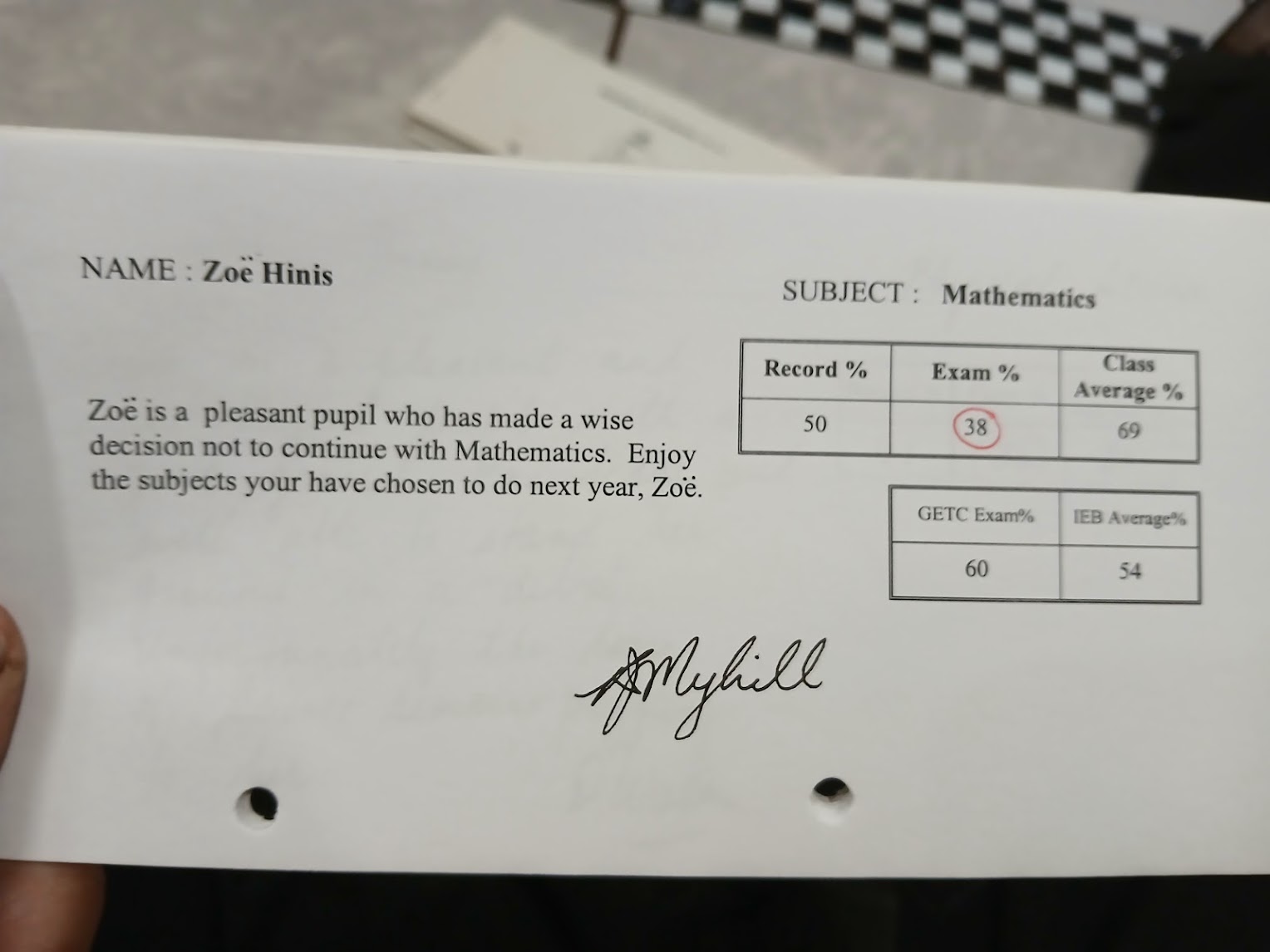
I was at least gifted with hyperlexia, which meant I was able to read far, far better than my peers, and it helped compensate for the areas I was lacking in. My school reports at the time (and all the way through to Matric) had a recurring theme of “Zoë is an opinioned child with potential, but lacks application in math/handwriting/science/Afrikaans”. Or, “Zoë rushes her work, and makes careless mistakes. She would do well to study harder and slow down.” (Except I was working hard, and thought that thinking at 300km an hour was normal, and I was just the stupid one who couldn’t write fast or well enough.)

(Sound familiar? Smart, but not the right kind of smart? Incredibly passionate, but annoying? Clumsy like a giraffe in heels, but creative and inspired? Welcome to the club of late-diagnosed women.)
But then I was 11 years old, I discovered that my primary school, my prison for 7 years, had a judo club with classes once a week. From the very first lesson, I loved it, and signed up immediately. It was the patient structure and discipline of judo, and later karate, that gave me the outlet and belonging I so desperately needed.
But how could such an awkward child do Judo? If I couldn’t even catch a ball, how was I ever going to learn to throw, or roll?
Ah, but that’s one of the things I love about traditional martial arts: there are no points to be won, no teammates to let down, no set timelines. I could learn at my own pace. At the beginning, everyone sucks, and is expected to suck. There was a patience for beginners in judo that was never extended to kids like me in formal sports codes. Either you were good, or you got worked out of the system. I think this attitude still ruins sport, and especially running, for kids all over the world. I am one of the few that made my way back to the joy of moving and exercise.
Also, in Judo, I didn’t have to do groupwork. Partnerwork, sure, but never the pain of working in a group. (Nearly 40 now, and I still hate groupwork.) Sensei politely, but firmly, told me to shut up and do the work, and trusted me to do it. And work I did – I became obsessed, as I would later with karate. And I put in the work, and I found myself improving. I found that I was a natural teacher, and a good leader, and there was space for this in the school judo club. I would continue like this at my university dojos, and perhaps then I should have known that I’d end up being a sensei.
And while I have never had great natural talent, I have always had an unbeatable work ethic. In the dojo, that’s a trait prized above talent. In school, however, it didn’t matter, if it wasn’t for the “right” subjects. No one cared if you were good at English, or poetry. If it wasn’t the holy trinity of maths, science and accounting, my ability didn’t matter. I don’t think much has changed at schools in the last thirty years.
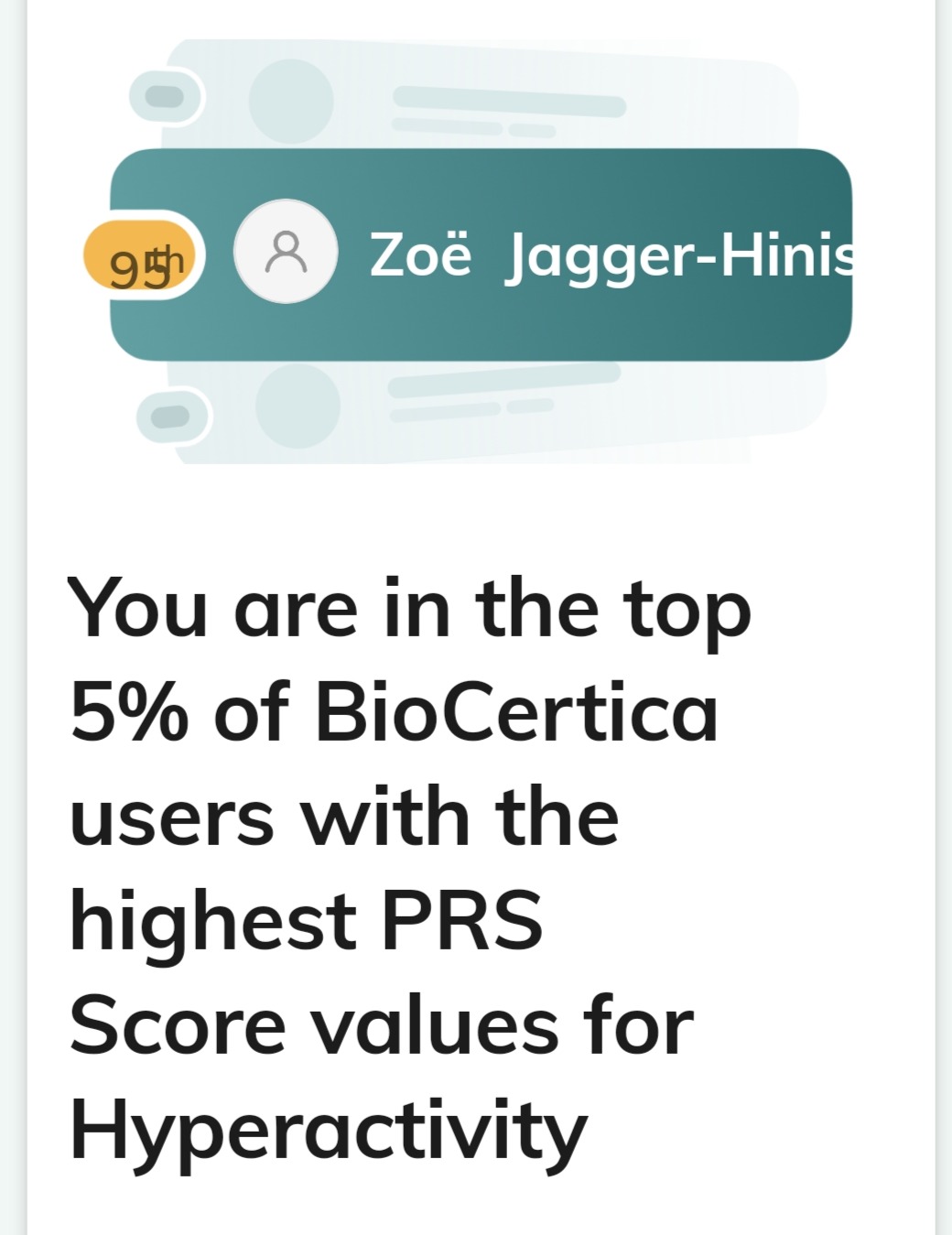
While I had suspected for months, if not years, that I was definitely some kind of neurodivergent, it was three things that forced me to finally get a formal diagnosis, and medication. Firstly, I started therapy for an unrelated issue, and my therapist said I should maybe consider getting tested. Secondly, a DNA test for ancestry brought up the fact that I was in the 95th percentile for the ADHD gene , which means that I had more of the genetic markers than 95% of the population (hooray?).

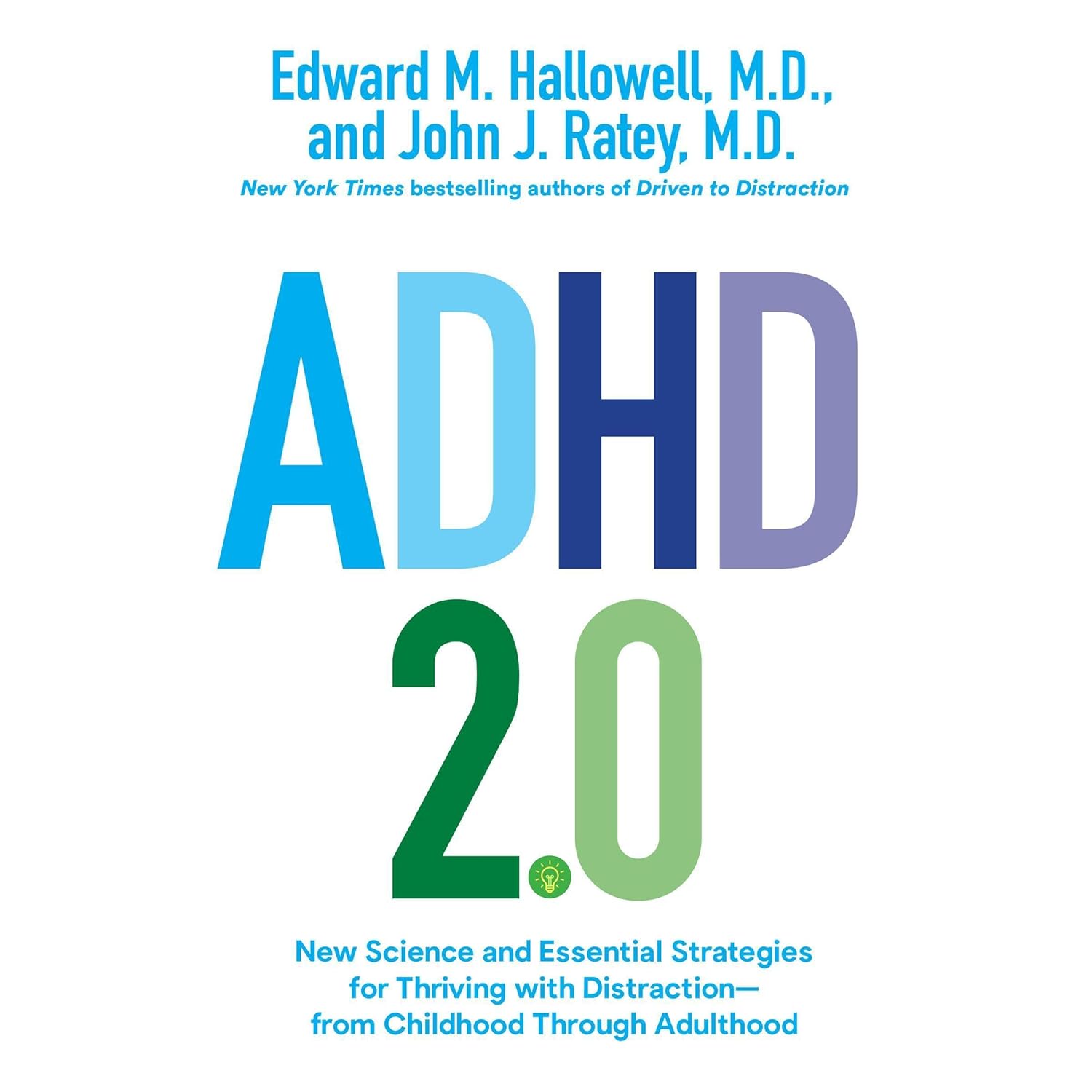
Thirdly, I read Driven to Distraction on the advice of a friend after telling him about the gene thing, and started crying while reading it, because, goddammit, the women in the case studies were narrating my life, and all my problems. All the struggles, all the things that I thought made me a bad person – my impulsivity, my messiness, my difficulty with certain subjects/skills, my seeming inability to have any control over my own mind and emotions sometimes – all of this was because my brain didn’t have the same switches. It had too much of one thing, and not enough of the other, and absolutely no central controller to keep shit organised in there. On top of that, I have the sensitivity of one of those giant satellite dishes – attuned to every emotion, word or vibe within 1000km. This is why I kept hurting my own feelings over such small things.
A few months later, and with a formal psychiatric diagnosis (impulsive/disorganised ADHD), therapy and a few months of medication, I can make much more sense of the gift, and curse, of ADHD. I am not a fan of the branding of ADHD as a ‘superpower’, because please believe me, it doesn’t feel like a fucking superpower when you can’t get your damn brain to just DO THE JOB you need it to. That it only works properly with big, looming deadlines, where there’s a sword of Damocles hanging over your head. But then, when there’s enough motivation, oh then there’s enough energy to power Joburg in order to get the job done.
While Ché, my dear husband, has always seen his ADHD as his great power and secret ability, for decades it caused me misery. It was the reason that I thought of myself as a failure. And even now, it feels like that it is only a matter of time before everyone realises that I am not as organised as I look, that I am hanging on by my fingernails, that I am good for literally one (1) thing, and that’s writing, and that I suck at everything, everything else. That no amount of accolades, compliments, money, or even prestige would ever disprove the lifelong view I have of myself as ambitious, but rubbish.
Now I am learning to work with the brain I have, not the one I want. That bad short-term memory is normal, so I write everything down that I need to remember, right away. Do it now, or write it down. (The ADHD brain only understands ‘now’ and ‘not now’.) That my immense creativity, the ideas that flow and pop endlessly, that I use for problem-solving, writing, marketing, entertaining and hosting is a beautiful gift, but needs structure and deadlines for any of it to be made manifest. That being bad at math was not an indictment of my worth as a human being. My bad marks at school were just that – marks. I don’t want the dojo kids to base their value on those stupid, ephemeral things. I am unlearning the unhelpful inner narrative that I am annoying, a one-trick pony, a bad mom, and a fraud of an instructor.
Judo, Karate, and Aikido all gave me a place to be my authentic self, in a way that school and corporate didn’t. And I hope to at least be an example for my students that there are many ways to exist in the world, and that there are many, many more pathways to success and happiness than good marks and a safe 9-5 job. In many ways, we are living in an age where you can be super obsessive about something and make your way in the world with it. And I truly do think opinions are changing about neurodivergent minds. There is still much work to be done, and the school system as we know it is flawed and must be destroyed and rebuilt, so that kids don’t fall through the cracks, like I did. But considering how much has changed just in the last 10 years, I truly believe that we will see the change we need sooner rather than later.
So I don’t love, or hate, my ADHD. (Okay, I hate it sometimes, especially when I lose things or mess up my own plans.) It just is what it is – a differently wired brain seeking dopamine and structure, with incredible focus that is difficult to harness when interest is low. It makes life harder than it needs to be, but I am grateful that the deep sensitivity that is a hallmark of ADHD has also given me other gifts. I hope that if you are reading this, and it resonates with you, that you get the help you can. Sadly, therapy and medication are expensive, but there are cheaper ways to manage the difficulties. Better eating habits (hard, I know), better sleep (lol), more exercise and sunshine, less screen time. We don’t have to be victims of our self-eating brains, and I know its hard to ask for help, but it is out there. Even if it just someone saying “hey, me too!”.
And like my therapist tells me – normal is a setting on a tumble dryer; it is a terrible metric for human beings.
Recommended reading:

 Zojo Dojo